Mental Models of AI
Mental Models of AI: Bridging Elicitation Methods and Stochastic Systems
Proposed CHI 2027 workshop. Dates and program are provisional; submissions will open after acceptance.
- Where
- 🇺🇸 Pittsburgh, USA
- When
- May 2027 · day TBA
- Co-located with
- ACM CHI 2027 ↗
Important Dates
- 01Paper submission deadline · provisional· upcomingFeb 11, 2027
- 02Notification of acceptance · provisionalFeb 25, 2027
- 03Participant materials · plannedAt least 1 week before the workshop
- 04Workshop at ACM CHI 2027, PittsburghMay 2027 · day TBA
About this workshop
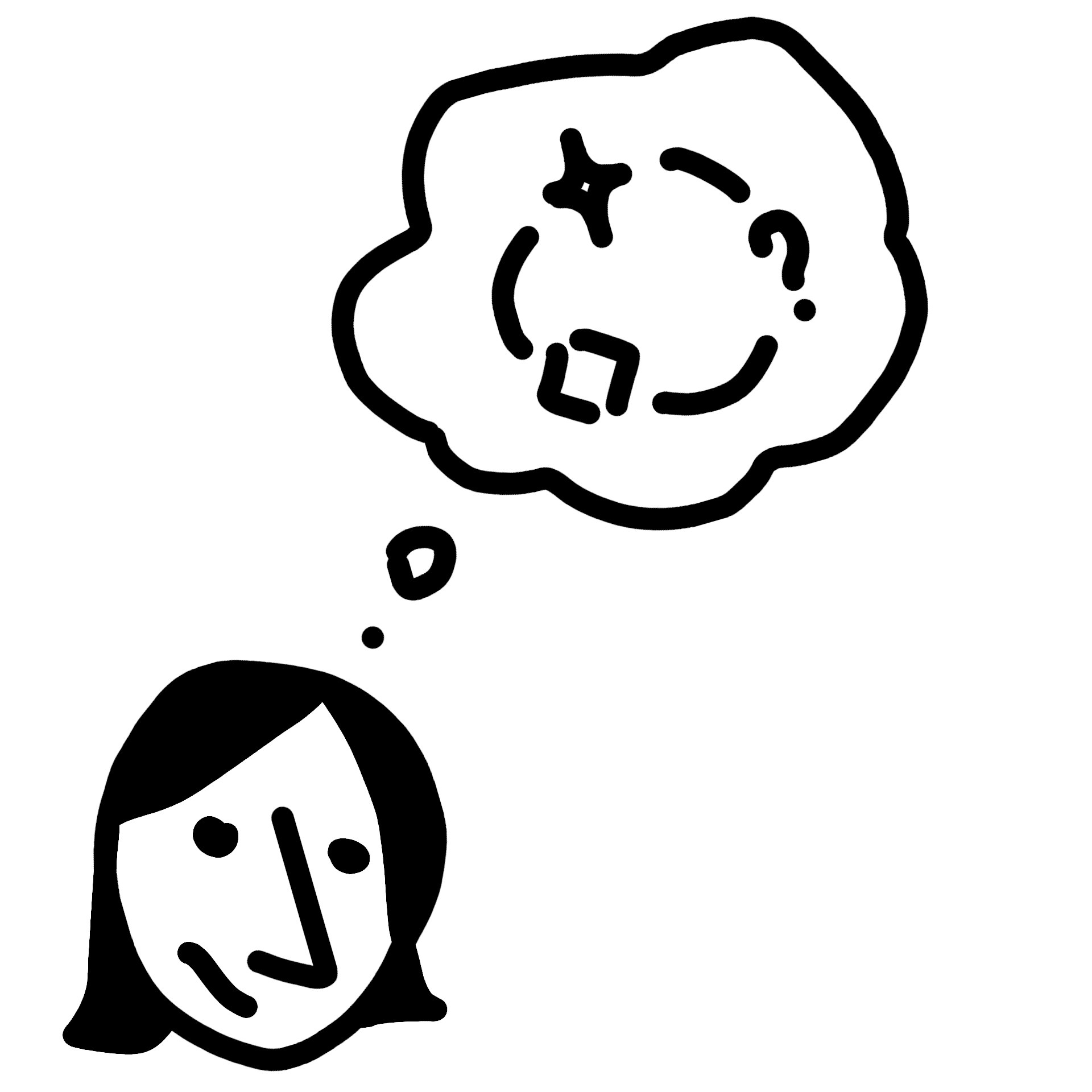
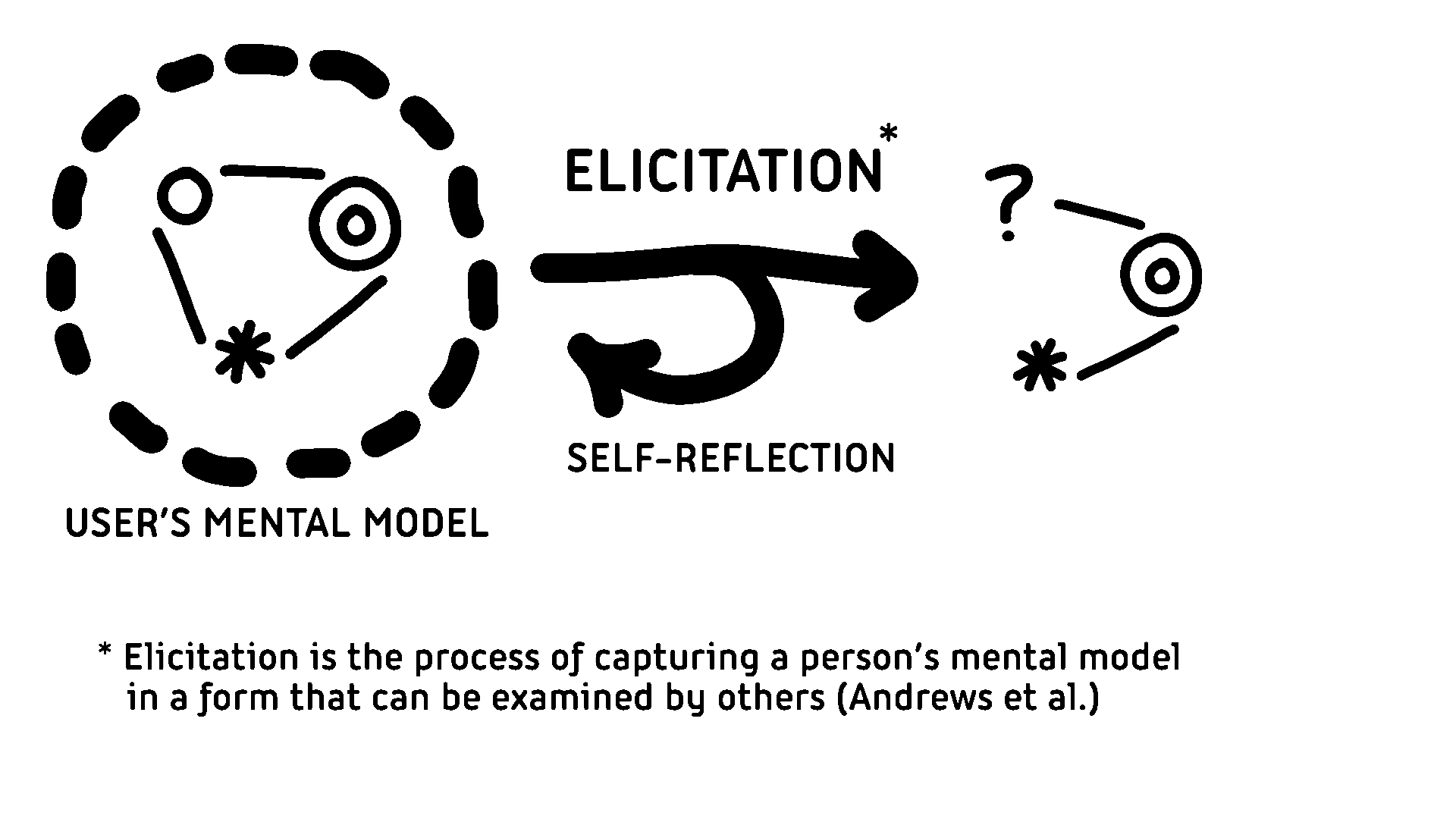
Human-AI interaction researchers elicit people's mental models of how AI systems work using methods such as think-alouds and free drawing. Each method captures different aspects of a mental model, so conclusions about the same user can differ across methods. As AI systems become more varied, multi-purpose, and embedded in people's lives, how can researchers faithfully capture mental models of them?
This workshop examines what elicitation methods make observable, how generative and agentic AI complicate existing approaches, and which research questions we should pursue together. In a world café, participants use two organizer-prepared card decks—one of elicitation methods and one of AI systems—to design a study, critique another group's study, and revise their own. The revised decks and a co-authored position paper will help researchers choose and compare methods across AI systems.
Building on the IUI 2027 edition, the CHI workshop turns insights from elicitation exercises and a systematic review of 88 empirical studies into a shared resource for planning, reporting, and teaching mental model research.
Call for papers
How do elicitation methods and the AI systems they target shape what a study can conclude?
We invite researchers and practitioners from HCI, AI, psychology, cognitive science, design, and industry. No prior experience with elicitation is required; the activity cards provide referenced definitions and method descriptions.
We welcome empirical studies, reanalyses of existing data, methods, theory, reflexive accounts, and provocations on mental models of AI or adjacent constructs such as perceptions, sensemaking, and schemata.
Submissions will help shape the workshop activities: we will add methods and AI systems missing from the decks, and select four papers spanning different methods and systems for lightning talks. The proposed submission deadline is February 11, 2027; the OpenReview link will be announced once the call is confirmed.
- Page limit
- 2–8 pages, excluding referencesReferences do not count toward the page limit.
- Template
- ACM single-column format, anonymized PDF · template ↗Name the AI systems and any elicitation methods involved, and anonymize the submission for review.
- Review
- At least two double-blind reviews per submission on OpenReviewOrganizers and external program committee members will assess relevance, methodological or theoretical insight, and potential to inform discussion of study design.
- Submission portal
- OpenReview · submission link forthcomingThe workshop is being proposed; submissions are not yet open.
- Questions
- bhayun@ethz.chBhada Yun, lead organizer.
Invited speakers

Second invited speaker
TBC
Workshop Program
Working in mixed-discipline groups of about six people, participants draw one elicitation-method card and one AI-system card. After a worked example, each group formulates a research question. Cards can be swapped when a method or system is unfamiliar.
The world café has three rounds: design a study and a reference model of what a well-formed mental model would contain; visit another table to critique its design; then return to revise the original study. Groups may also propose changes to the decks. Table reports and a closing discussion identify shared research priorities.
Two 90-minute sessions with a break, in person at CHI 2027.
30–40 participants. Authors of accepted papers receive priority; attendees without a submission are also welcome.
Provisional program. Times are elapsed within each session and restart at 0:00 after the break. The workshop day, start time, and break duration will be announced.
Session 1 · Framing and research questions
0:00 – 0:05Welcome and table assignment- 0:05 – 0:15Introduction to mental models in human-AI interaction
- 0:15 – 0:35Invited talks: Zahra Ashktorab (confirmed) and a second speaker (TBC)
- 0:35 – 1:05Four lightning talks: five minutes per paper, followed by questions
- 1:05 – 1:15Worked example with the elicitation-method and AI-system decks
- 1:15 – 1:30Card draw and research question design
Session 2 · World café study design
0:00 – 0:20Round 1: design a study and its reference model- 0:20 – 0:40Round 2: critique another table's study design
- 0:40 – 1:00Round 3: revise a study and propose card changes
- 1:00 – 1:15Table reports
- 1:15 – 1:25Group discussion of research priorities
- 1:25 – 1:30Closing and next steps
After acceptance
- 01
Non-archival papers, shared with permission
Participant papers will be non-archival. Accepted papers will be shared with participants before the workshop and, with authors' permission, posted on the workshop website and in a public Zenodo community. Selected study sketches will also be shared with contributors' permission.
- 02
Register and attend in person
At least one author per accepted paper must register for CHI and attend in person. Four accepted papers, chosen to span methods and systems, will receive five-minute lightning-talk slots with two minutes for questions. All attendees take part in the group activities.
- 03
Prepare with accessible materials
Accepted papers, accessible digital versions of the cards, and activity instructions will be shared with participants at least one week before the workshop.
- 04
Open card decks, prompts, and a workshop summary
The revised elicitation-method and AI-system decks, prompts, and workshop summary will be freely downloadable from this website as resources for planning, reporting, and teaching mental model research.
- 05
A co-authored position paper
Participants will be invited to co-author a paper synthesizing study sketches and shared research priorities, with CHI 2028 or ACM Interactions as preliminary targets. Contributors will be credited as co-authors or, with permission, in the acknowledgments. Follow-up will be coordinated through the mailing list and Slack.
Organizers & Program Committee
The organizing team combines first-hand research experience about mental models in human-AI interaction and a strong motivation to reopen discussions within the CHI community. Click any organizer for their full bio and profile links.
 Bhada YunPhD Student · Lead organizerETH Zürich
 Laura SchützIncoming Postdoctoral Fellow · Co-organizerTUM
 Téo SanchezMSCA Postdoctoral Fellow · Co-organizerLMU Munich · MI³
 Prerna RaviPhD Student · Co-organizerMIT CSAIL
 Qiaosi (Chelsea) WangCarnegie Bosch Postdoctoral Fellow · Co-organizerCMU HCII
 Anna NeumannPhD Candidate · Co-organizerUniversity Duisburg-Essen · RC Trust
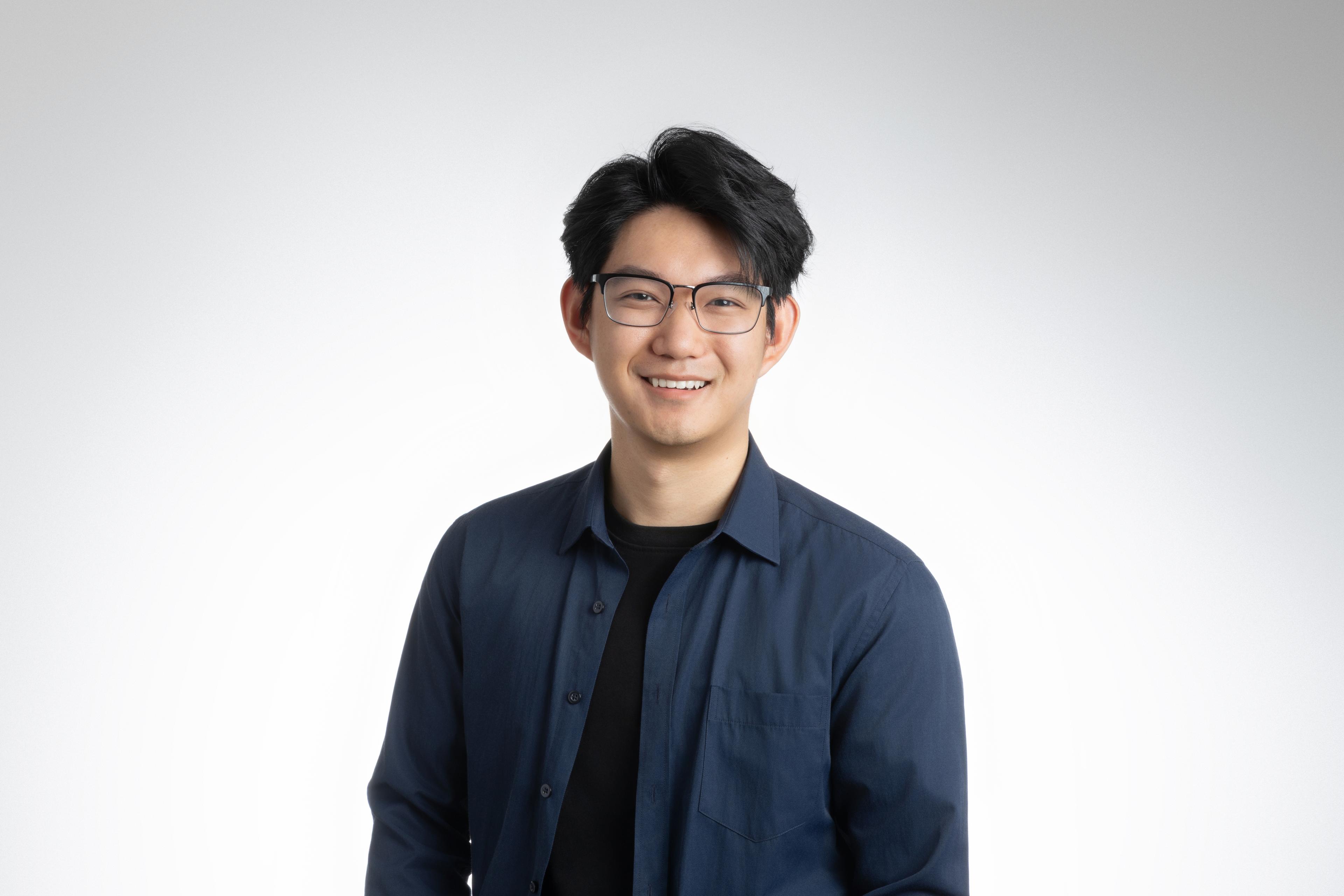 Oliver HuangPhD Student · Co-organizerETH Zürich
 Grace WangPhD Student · Co-organizerStanford University
 Nadine BienefeldSenior Lecturer and Senior Researcher · Co-organizerETH Zürich · University of Lucerne
 Hari SubramonyamAssistant Professor (Research) · Co-organizerStanford University
 Lev TankelevitchResearcher · Co-organizerMicrosoft Research
 April Yi WangAssistant Professor · Co-organizerETH Zürich · PEACH Lab