Mental Models of A.I.
An Interdisciplinary Convening on Mental Models in Human-AI Interaction Research.
- Where
- 🌍 TBA, TBA
- When
- Spring 2027
- Co-located with
- ACM CHI 2027 ↗
Important Dates
- 01Workshop concept circulated· doneMay 2026
- 02Drafting cycle (post-IUI submission)Sep – Nov 2026
- 03CHI 2027 workshop call submissionDec 2026
- 04Acceptance notificationJan 2027
- 05Position-paper deadlineFeb 2027
- 06Workshop @ ACM CHI 2027Spring 2027
About this workshop
Mental models of AI are studied across HCI, machine learning, cognitive science, medicine, psychology, education, AI safety, and design, and rarely under the same name. Educators talk about scaffolding and metacognition. Clinicians talk about authority and accountability. ML researchers talk about controllability and calibration. Psychologists talk about mind perception, autonomy, and sentience. Cognitive scientists talk about reasoning and representation. The result is fragmented findings, redundant methods, and few opportunities to translate work between fields.
This CHI workshop is a cross-disciplinary convening. We bring together communities that already study mental models of AI but separately, to compare vocabularies, swap methods, and draft a shared primer for HAI research. The goal is not consensus, but mutual legibility: leaving the room knowing which tools, terms, and findings travel between fields, and which are stuck inside them.
Where our IUI 2027 edition focuses on the interface-mental-model loop, this CHI edition zooms out to the research enterprise itself: how the HAI community can build a more coherent science of mental models when its constituents speak different languages.
An interdisciplinary room, by design.
Mental-model research is fundamentally interdisciplinary, but most of it is published inside single fields. We are deliberately small and deliberately mixed: nine organizers across nine sub-disciplines, from MD/PhD clinical research to inference-time language-model control, from K-12 group pedagogy to responsible-AI governance.
We especially welcome submissions from outside core HCI and ML, from medicine, psychology, education, learning sciences, neuroscience, design, philosophy of mind, AI governance, and STS. If your work touches how people understand AI, you belong in this room.
Medicine & clinical research
Doctor–patient–AI alignment, clinical decision-making, oncology and patient-reported outcomes.
Psychology & cognitive science
Mind perception, moral consideration of AI, mental models of autonomy and sentience.
AI safety, trust & governance
Auditing, accountability, system-prompt governance, cascading effects in AI supply chains.
Human agency & ML understanding
How human agency shapes machine-learning understanding; methods for studying mental models in HAI.
Educational technology & group pedagogy
Generative-AI agents for collaborative learning, AI literacy, consensus-building.
Design & multisensory interaction
Design for medical AR/VR, sonic interaction design, cognitive-load measurement.
Affective computing
Sensing, perception, multimodal emotion and HCI.
Probabilistic ML & NLP
Inference-time language-model control, probabilistic programming, interactive disambiguation.
Mental models & phenomenology
Longitudinal companion-AI studies, agency in chatbot interaction, AI phenomenology.
We're actively inviting
★ submit if any of these is you- Clinical informatics
Mental models of AI in care pathways and decision support.
- Learning sciences & education
How students and teachers form working models of AI tools.
- Cognitive psychology & neuroscience
Empirical foundations of model-based reasoning and metacognition.
- Philosophy of mind & STS
What it means to model an opaque system, and the social production of those models.
- AI policy & governance
Mental models as a lever for accountability, transparency, and literacy.
- Design research & creative practice
Drawings, sonifications, and other non-textual probes of mental models.
- Behavioural science & economics
Mental models in trust calibration and decision-making under uncertainty.
Not on this list? Send us your work anyway. The point of the workshop is to find the disciplines we missed.
Workshop Themes
We invite contributions to one or more of the following themes. Each theme has a set of motivating research questions; submissions can engage any subset, propose a new one, or critique the framing itself.
- Theme 01
What We Mean by ‘Mental Model’, Across Fields
Vocabulary is half the problem. What do different communities actually mean when they say ‘mental model’?
Research questions- 01Which definitions of ‘mental model’ are operative in HCI, cognitive science, education, medicine, NLP, and AI safety?
- 02Where do those definitions agree, where do they conflict, and where do they pretend to overlap?
- 03Can we draft a minimum shared vocabulary that lets findings travel between fields?
- 04What concepts (calibration, agency, scaffolding, authority, mind perception) are doing similar work under different names?
Keywords- vocabulary
- ontology
- interdisciplinarity
- concept analysis
- shared primer
- Theme 02
Cross-Disciplinary Translation of Mental-Model Methods
What does the same method look like in a clinic vs. a classroom vs. an LLM evaluation?
Research questions- 01Which elicitation methods translate cleanly across disciplines, and which require adaptation?
- 02How can we share evaluation protocols across HCI, education, medicine, and NLP?
- 03What can HCI learn from established methods in cognitive psychology, learning sciences, or clinical decision-making research?
- 04What scaling trade-offs (depth vs. breadth, lab vs. field) become visible only when methods cross fields?
Keywords- method translation
- evaluation protocols
- elicitation methods
- interdisciplinarity
- Theme 03
Mental Models in High-Stakes Multi-Actor Settings
Where mental-model misalignment carries real costs, in medicine, education, and governance, and what to do about it.
Research questions- 01How do mental models propagate in doctor–patient–AI workflows, and where do they fail?
- 02How do teachers' mental models of student-AI use shape classroom policies and learning outcomes?
- 03What audit artefacts surface multi-actor mental models meaningfully, for accountability, for users, and for regulators?
- 04How do we study mental models of AI when the user is also part of an institution (clinic, school, agency)?
Keywords- healthcare AI
- education
- multi-actor
- auditing
- accountability
- governance
- Theme 04
Toward a Shared HAI Research Agenda on Mental Models
What would a coherent, cross-disciplinary research programme on mental models in HAI actually look like?
Research questions- 01What are the open empirical questions everyone (silently) agrees matter?
- 02Where does each discipline's blind spot live?
- 03What benchmark studies, datasets, or shared instruments would the field benefit from most?
- 04What does a 5-year roadmap for mental-model research in HAI look like?
Keywords- research agenda
- open questions
- benchmarks
- instruments
- roadmap
What to Submit
- 01 · component
Position paper
4–6 pages (excluding references) in the ACM Master Article Template. Details will be released alongside the CHI 2027 workshop call.
- 02 · component
Mental-model elicitation snapshot
Same as the IUI 2027 edition: a one-page artefact capturing your own mental model.
How to Submit
- Page limit
- 4–6 pages + unlimited references
- Template
- ACM Master Article Template · template ↗
- Review
- Single-blind review by the organizing committee.
- Submission portal
- TBA. Workshop CfP not yet released.
- Questions
- workshop@mentalmodelsof.ai
Workshop Format
Full-day in-person workshop.
Targeting 35–45 participants.
- MorningPrimer talks from co-organizers across disciplines
- Mid-dayMethod clinics. Authors trade techniques across disciplines
- AfternoonLive elicitation exercises and group pitches
- Late afternoonCo-authoring of a CHI-facing primer document
What Happens After Acceptance
- 01Same template as the IUI 2027 edition: papers and snapshots published on this page.
- 02Authors clustered into breakout groups by theme ahead of the day.
Organizers
The workshop is organized by an interdisciplinary committee spanning HCI, machine learning, cognitive science, education, and medicine. Click any organizer for full bio, profile links, and publication list.
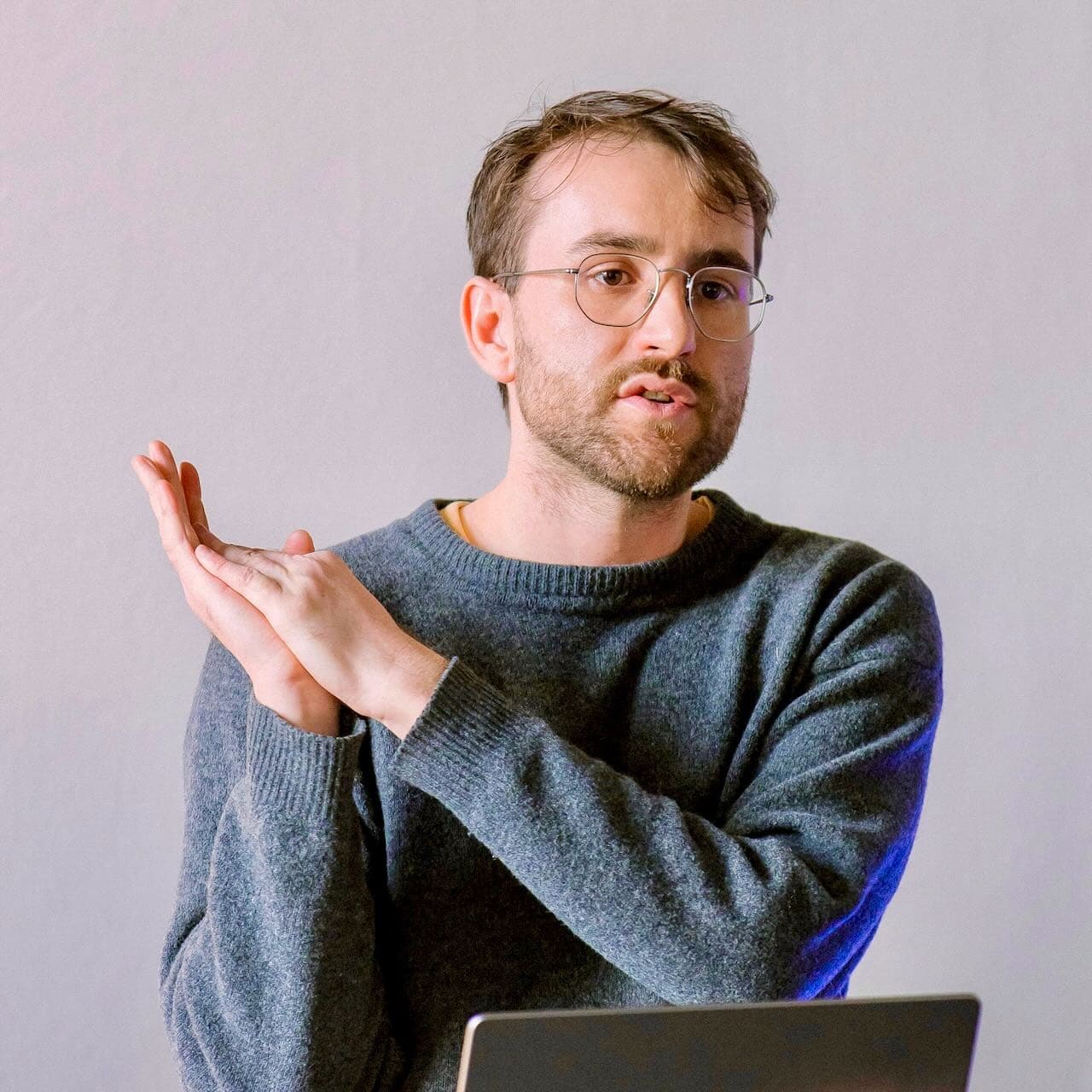 Téo SanchezPostdoctoral ResearcherLMU Munich · MI³
MSCA Fellow investigating how human agency shapes machine-learning understanding, and how communities of practice form around AI.
 Prerna RaviPhD CandidateMIT CSAIL
Designs generative-AI agents that augment group collaboration in education, creative practice, and collective decision-making.
- BYBhada YunMaster's Student → ResearcherETH Zürich
Studies how AI modulates human behaviour through longitudinal companion-chatbot studies and a phenomenological lens.
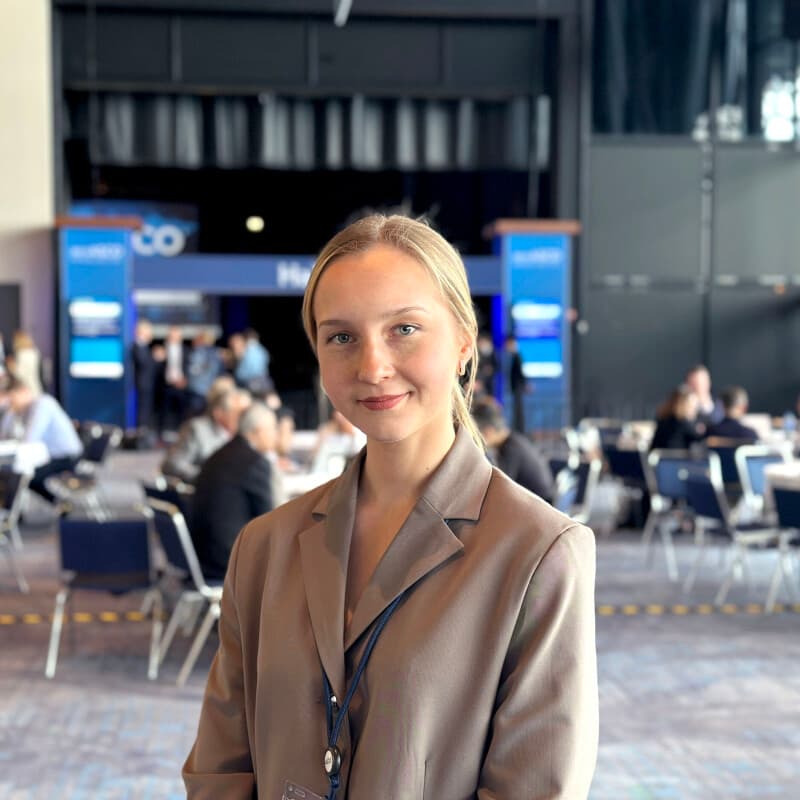 Evgenia TaranovaMD/PhD StudentUniversity of Bergen
Studies the doctor–patient–AI triad: aligning authority, responsibility, and decision-making in clinical AI deployment.
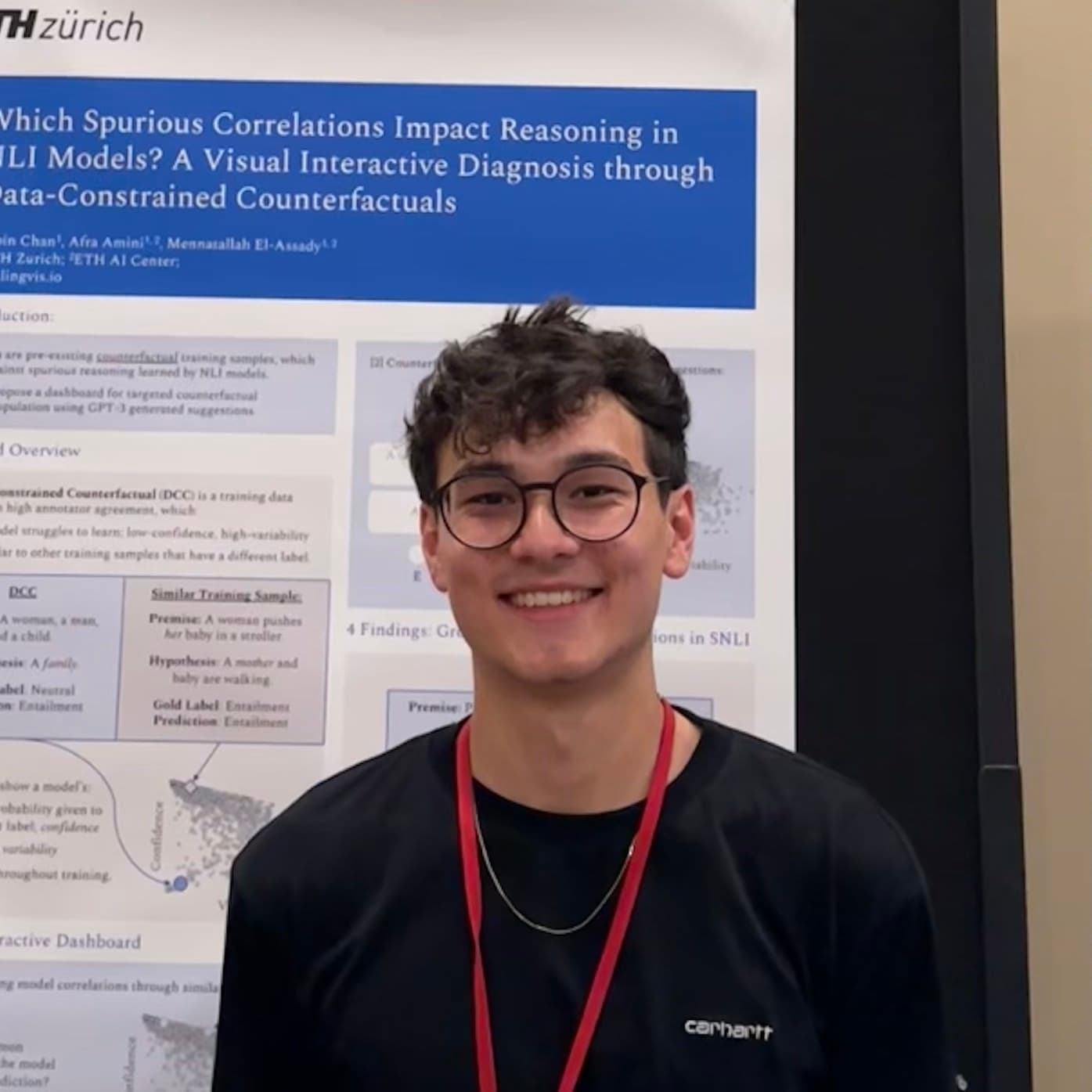 Robin ChanPhD StudentETH Zürich · ML Institute
Bridges probabilistic inference and HCI through inference-time language-model control. Best Paper at CHI 2026.
 Rachel SchuchertDoctoral StudentETH Zürich · SIPLAB
PhD student at the Sensing, Interaction & Perception Lab. Visual & interactive computing with a minor in machine learning.
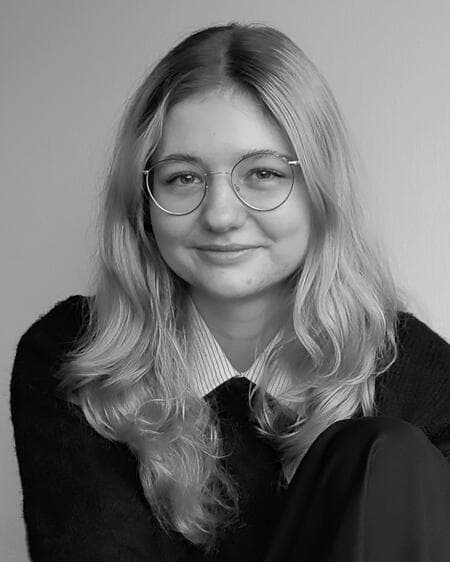 Anna NeumannPhD ResearcherRC TRUST · CASG
Examines how AI systems shape sociotechnical structures, with a focus on responsible-AI practices in algorithmic supply chains.
 Janet PauketatResearch FellowSentience Institute
Studies how socio-cultural contexts and mental models of autonomy and sentience shape human reactions to AI.
 Laura SchützIncoming Postdoctoral ResearcherTUM → ETH Zürich
PhD on multisensory interactions in augmented reality for healthcare. Sound-guided surgery, sonification, cognitive load.
Steering committee
Senior advisors who anchor the workshop's intellectual grounding and supervise several committee members.
 April Yi WangAssistant ProfessorETH Zürich · PEACH Lab
Tenure-track Assistant Professor in the Department of Computer Science at ETH Zürich, leading the Programming, Education, and Computer-Human Interaction Lab. Research in human-AI interaction and educational technology. Anchors several of the committee's chatbot-agency and value-alignment studies as Bhada Yun's advisor.
 Mennatallah El-AssadyAssistant ProfessorETH Zürich · IVIA Lab
Assistant Professor in the Department of Computer Science at ETH Zürich, leading the Interactive Visualization and Intelligence Augmentation Lab (IVIA). Research at the intersection of visual analytics, computational linguistics, and explainable AI, with a focus on interactive human-AI collaboration. Anchors the committee's interface and visual-analytics work.
Submit a paper.
We're gathering researchers across medicine, psychology, education, AI safety, design, governance and HCI: anyone studying how people understand AI. If that's your work, we want it in the room.
Submission portal will appear here as soon as the workshop is accepted.
Questions: workshop@mentalmodelsof.ai
← Back to home