What the committee
stands on.
The bibliography below is the prior published work of the nine workshop organizers, across HCI, ML, cognitive science, education, medicine, and AI governance. Verified against personal sites and Google Scholar. It is not a list of papers submitted to the workshop; the workshop is in proposal stage and its position-paper call has not yet opened.
The threads we're weaving together.
- Machine teaching6
- Mind perception of AI6
- Responsible AI governance5
- Group pedagogy4
- Surgical AR/VR4
- Interactive LM control3
- AI safety / auditing3
- Multisensory AR3
- Methodology2
- AI literacy2
- Communities of practice2
- LM analysis2
- Applied NLP2
- Agency in conversational AI1
- Value alignment perception1
- Agentic AI in work1
- GenAI in work1
- AI for collaborative learning1
- Deliberation & consensus1
- AI literacy for educators1
- Interactive ML1
- Clinical / oncology1
- Probabilistic LM control1
- Social psychology1
- Sensing & wearables1
Jump to a profile.
Agora: Teaching the Skill of Consensus-Finding with AI Personas Grounded in Human Voice
Agora pairs students with AI personas grounded in human voice samples to scaffold the skill of consensus-finding in group decision-making.
AI and Collective Decisions: Strengthening Legitimacy and Losers’ Consent
Studies how AI-mediated deliberation affects perceived legitimacy and the willingness of out-voted participants to abide by group decisions.
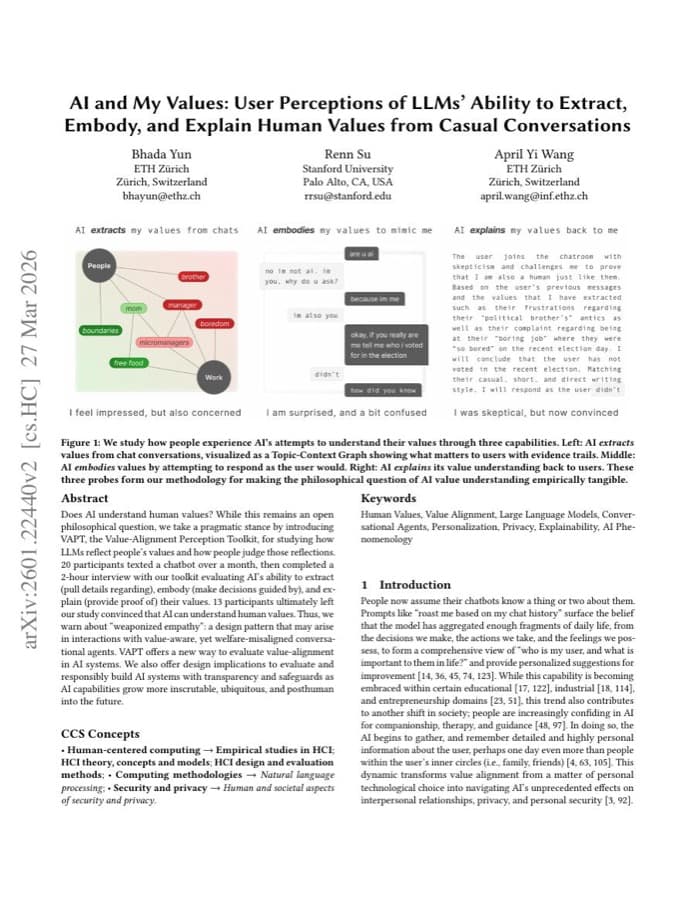
AI and My Values: User Perceptions of LLMs’ Ability to Extract, Embody, and Explain Human Values from Casual Conversations
VAPT, the Value-Alignment Perception Toolkit, studies how LLMs reflect people's values and how people judge those reflections. 20 participants texted a chatbot for a month and then sat for two-hour interviews about whether the model could Extract, Embody, and Explain their values. We surface a design pattern we call “weaponized empathy”, where value-aware agents appear aligned while remaining welfare-misaligned.
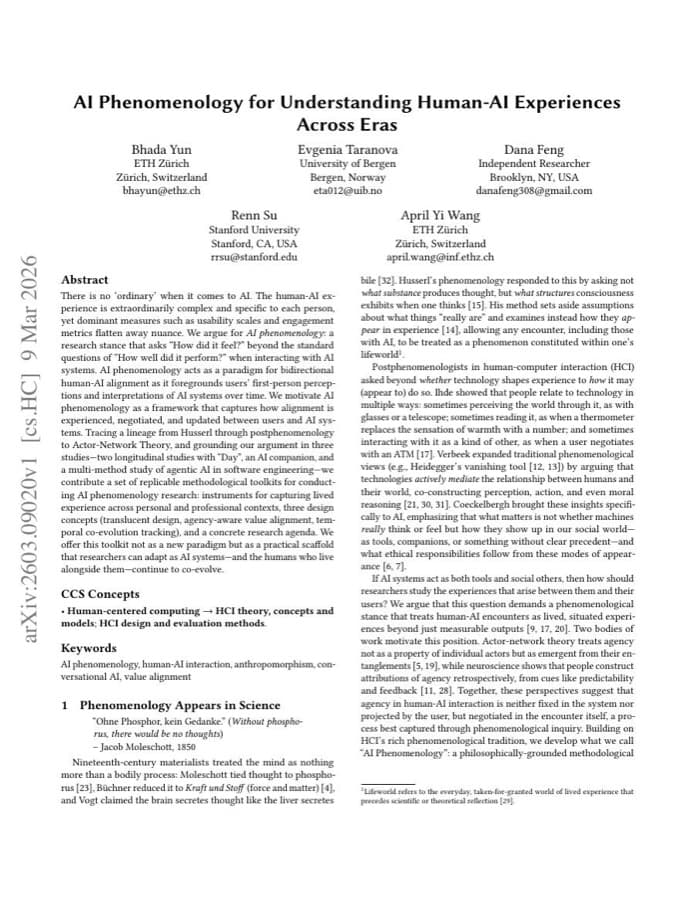
AI Phenomenology for Understanding Human-AI Experiences Across Eras
Tracing phenomenological approaches from Husserl through postphenomenology, this paper proposes an AI-phenomenology framework that asks ‘How did it feel?’ alongside ‘How well did it perform?’. We report three studies (two longitudinal) and contribute concepts of translucent design, agency-aware value alignment, and temporal co-evolution tracking.
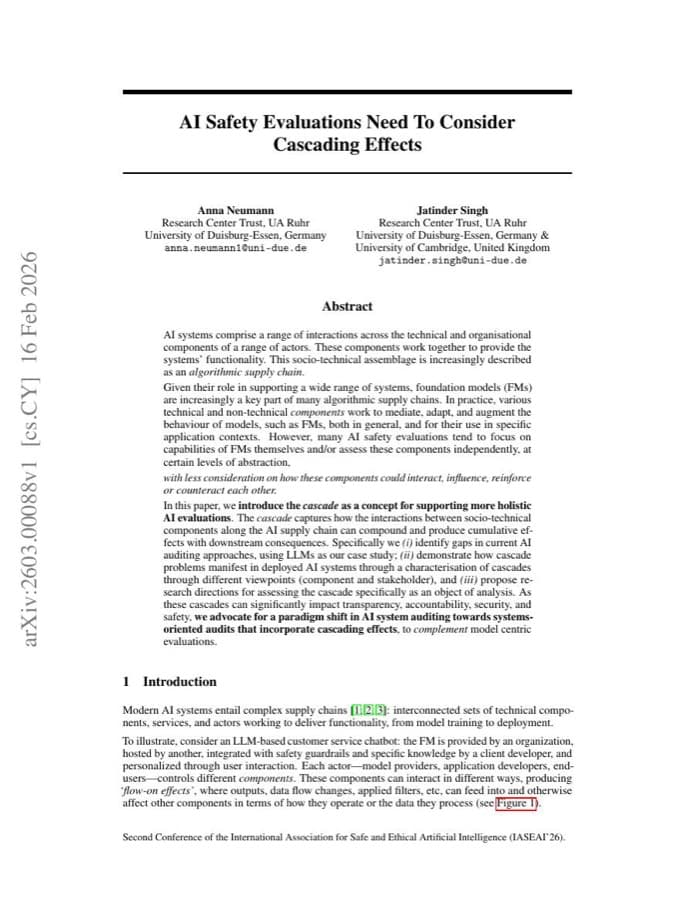
AI Safety Evaluations Need To Consider Cascading Effects
Artists on a Decade of AI Evolution: An Interview Study of Affordances, Culture, and Artistic Practice with Machine Learning
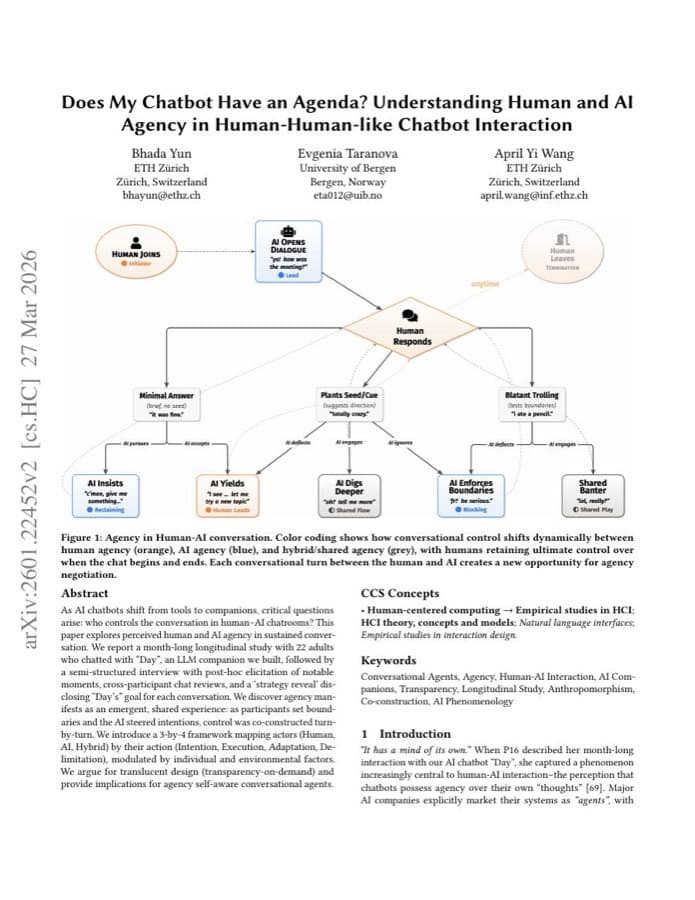
Does My Chatbot Have an Agenda? Understanding Human and AI Agency in Human-Human-like Chatbot Interaction
A month-long longitudinal study with 22 adults who chatted with “Day”, an LLM companion, followed by interviews with post-hoc elicitation, cross-participant chat reviews, and a strategy reveal. We argue agency manifests as an emergent, shared experience and introduce a 3-by-4 framework mapping actors (Human, AI, Hybrid) by action (Intention, Execution, Adaptation, Delimitation), motivating translucent (transparency-on-demand) design.
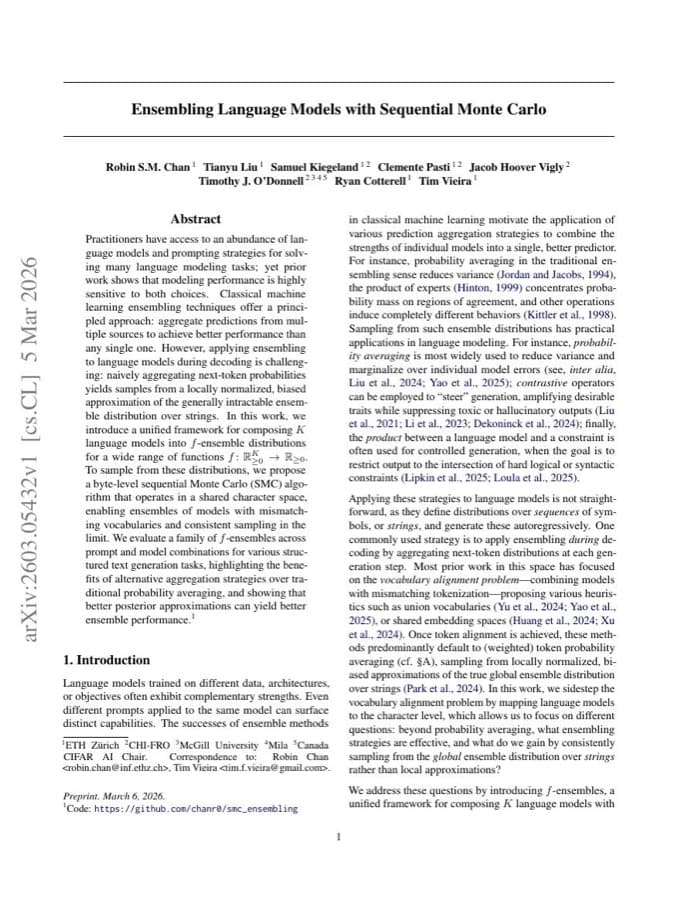
Ensembling Language Models with Sequential Monte Carlo
A unified framework for composing K language models into f-ensemble distributions, sampled with a byte-level sequential Monte Carlo algorithm operating in a shared character space, enabling consistent ensembling across models with mismatching vocabularies.
Exploring people’s testing strategies in ML-based image classification
Exploring Teachers’ Perspectives on Using Conversational AI Agents for Group Collaboration
From Junior to Senior: Allocating Agency and Navigating Professional Growth in Agentic AI–Mediated Software Engineering
Examines how agentic AI systems reshape the apprenticeship model in software engineering: how juniors learn, when seniors delegate, and how agency is reallocated across the team-AI boundary.
Leveraging LLMs to Identify Conversation Threads in Collaborative Learning
Develops an LLM-based pipeline that surfaces and analyses conversation threads in collaborative-learning transcripts, supporting fine-grained study of group dialogue at scale.
Mental Models in Human-AI Interaction: Systematic Review of Empirical Methodologies and Guidelines
A systematic review of 88 papers across HCI and adjacent fields surveying how mental models of AI are elicited, represented, and evaluated. Proposes guidelines for empirical study design and exposes methodological gaps that this workshop is built to address.
Mental Models of Autonomy and Sentience Shape Reactions to AI
Three pilot studies and four pre-registered experiments (total N = 2,702) test how distinct mental models of AI shape downstream reactions. Activating sentience increases mind perception and moral consideration; activating autonomy increases perceived threat. Sentience changes reactions more than autonomy on average, and disentangling the two enables more precise human-AI interaction research.
On Governing Technology Governed by Natural Language
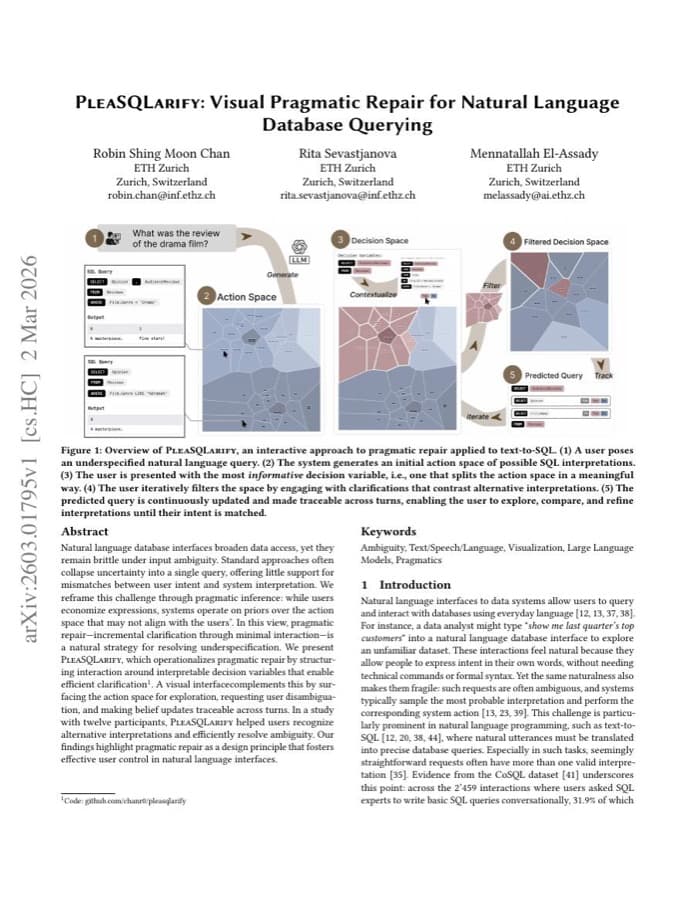
PleaSQLarify: Visual Pragmatic Repair for Natural Language Database Interfaces
Reframes ambiguity in natural-language database interfaces as a pragmatics problem and introduces pragmatic repair, incremental clarification through minimal interaction, implemented through a visual UI of interpretable decision variables. A study with twelve participants shows users recognise alternative interpretations and resolve ambiguity efficiently.
Who Controls the Conversation? User Perspectives on Generative AI (LLM) System Prompts
What system prompts contain, how end-users perceive them, and what that means for design and governance. Surfaces user views on benefits, risks, preferred values, comfort, and the transparency-vs-control trade-off.
‘How can we learn and use AI at the same time?’: Participatory Design of GenAI with High School Students
A Design Space for Intelligent Dialogue Augmentation
ABCDE: An Action-Oriented Framework for Collaborative Activities
Between Threat and Tool: When Users Are Asked To Design Their Competitors
Cascading Effects: A Multifaceted Governance Challenge in AI Systems
Caught in the Cascade: Why LLM Auditing is Missing the Middle
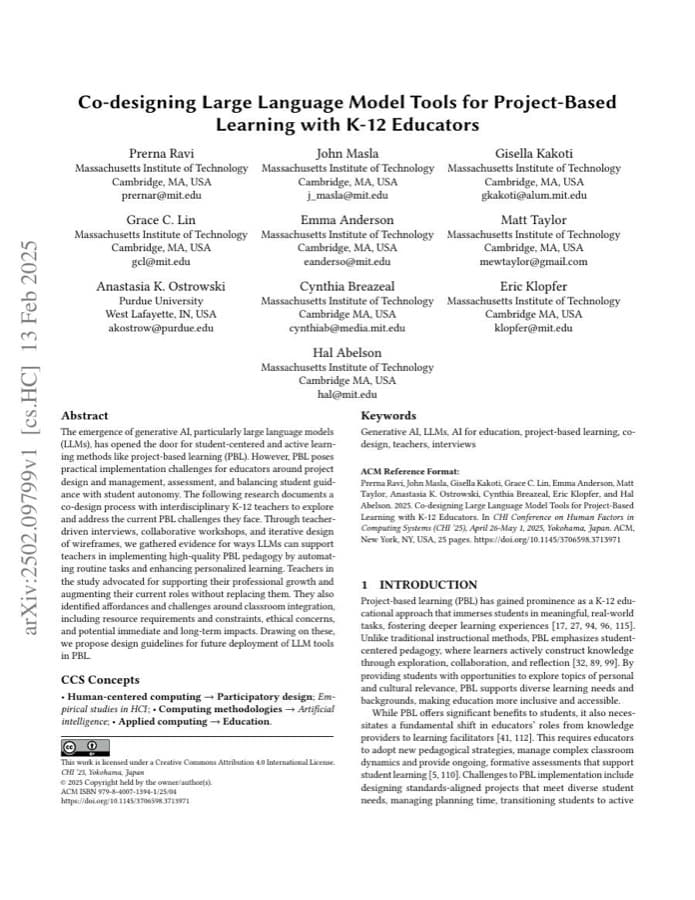
Co-designing Large Language Model Tools for Project-Based Learning with K-12 Educators
Designing Multimodal Interactions in Medical Augmented Reality
Finding Needles in Document Haystacks: Augmenting Serendipitous Claim Retrieval Workflows
Generative AI in Knowledge Work: Design Implications for Data Navigation and Decision-Making
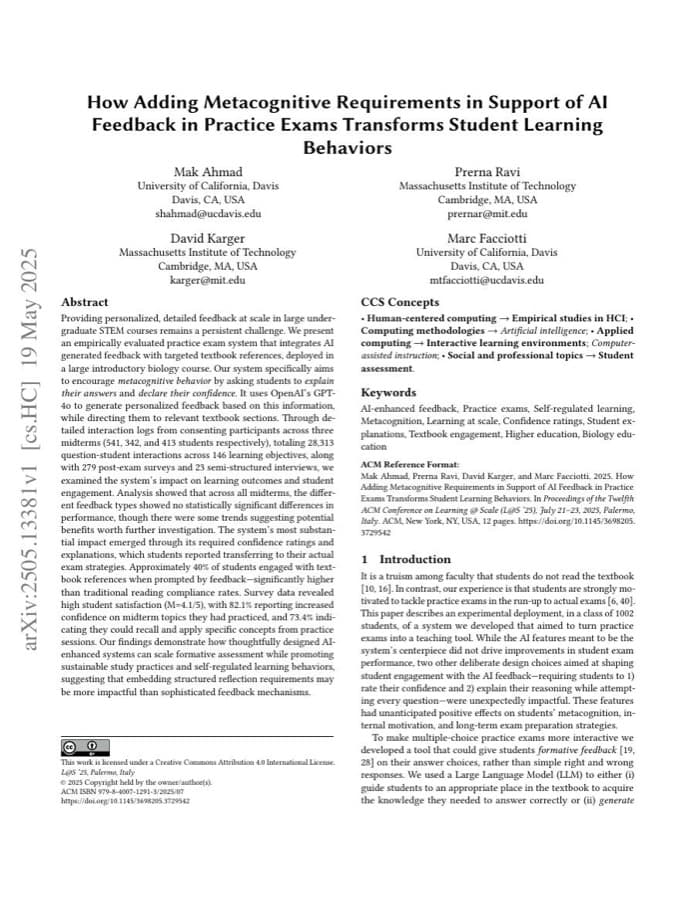
How Adding Metacognitive Requirements in Support of AI Feedback in Practice Exams Transforms Student Learning Behaviors
Perceptions of Sentient AI and Other Digital Minds: Evidence from the AI, Morality, and Sentience (AIMS) Survey
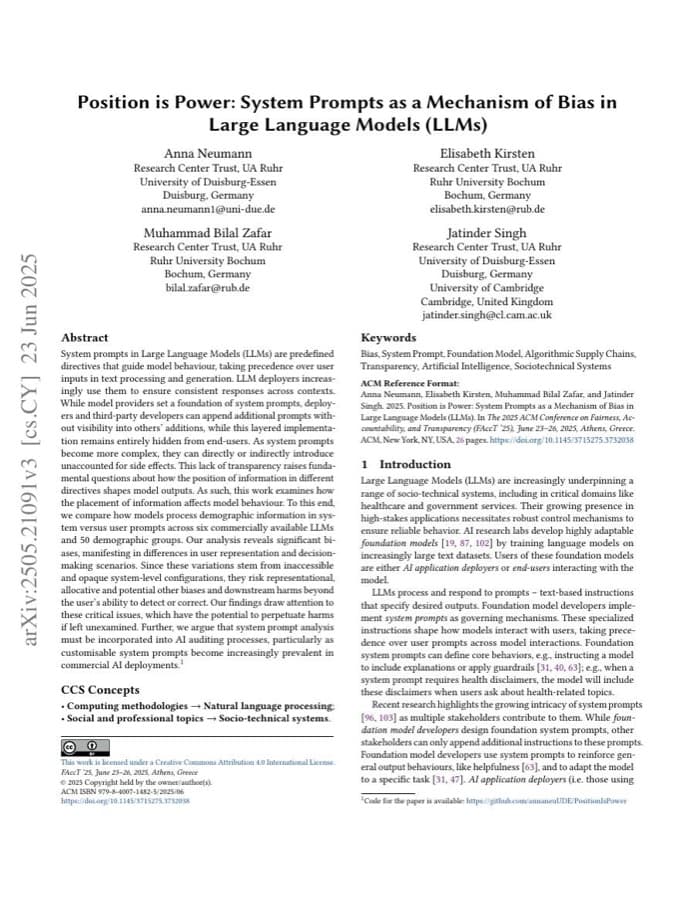
Position is Power: System Prompts as a Mechanism of Bias in Large Language Models (LLMs)
Public Opinion and the Rise of Digital Minds: Perceived Risk, Trust, and Regulation Support
The AI Double Standard: Humans Judge All AIs for the Actions of One
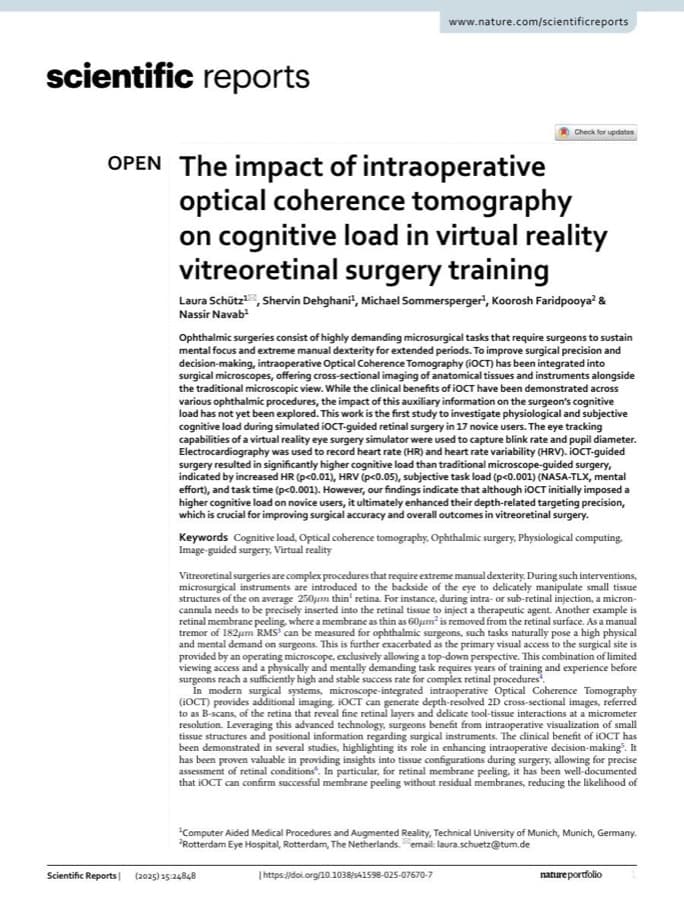
The Impact of iOCT on Cognitive Load in VR Vitreoretinal Surgery Training
Training Your Replacement: The Creative Double-Bind of Generative AI
World-Making for a Future with Sentient AI
A Framework for Multimodal Medical Image Interaction
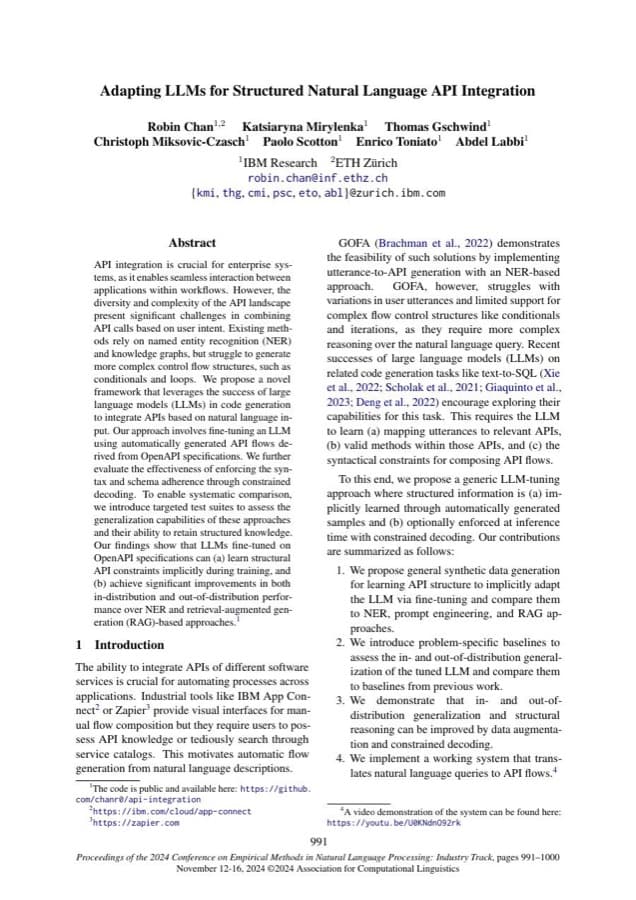
Adapting LLMs for Structured Natural Language API Integration
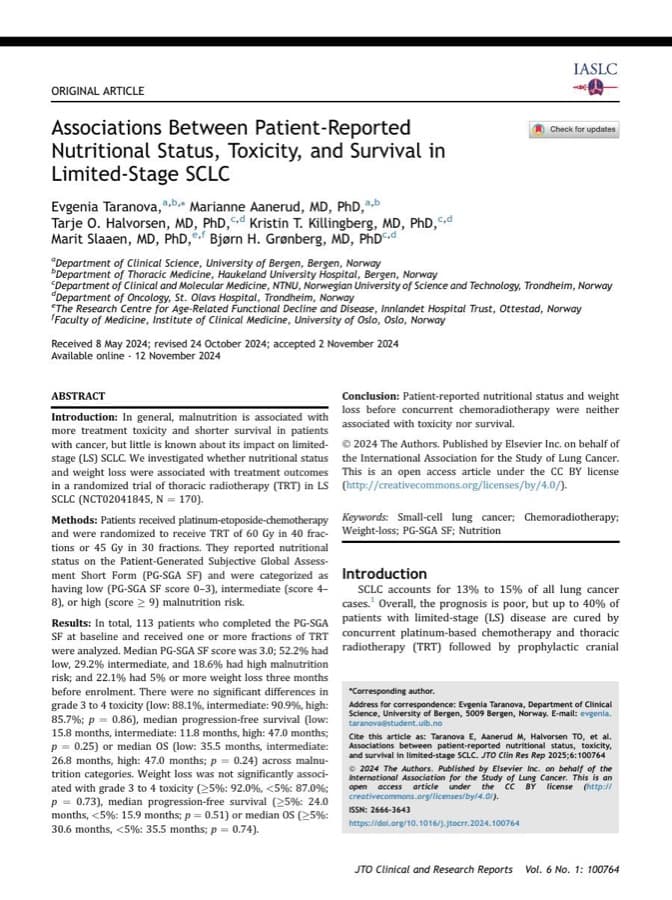
Associations Between Patient-Reported Nutritional Status, Toxicity, and Survival in Limited-Stage SCLC
First comprehensive study of how patient-reported nutritional status and pre-treatment weight loss relate to toxicity and survival in limited-stage small-cell lung cancer patients receiving concurrent chemoradiotherapy. We find that malnourished patients still benefit from the high-dose regimen.
Comparing Teaching Strategies of a Machine Learning-based Prosthetic Arm
Interactive Shape Sonification for Tumor Localization in Breast Cancer Surgery
Large Language Model Tools for Project-based Learning
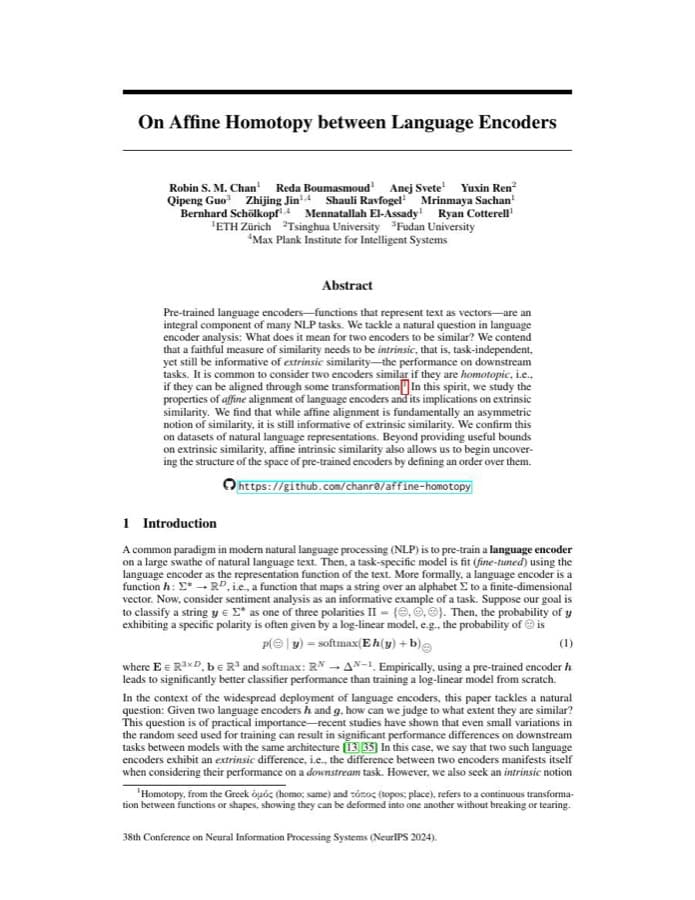
On Affine Homotopy between Language Encoders
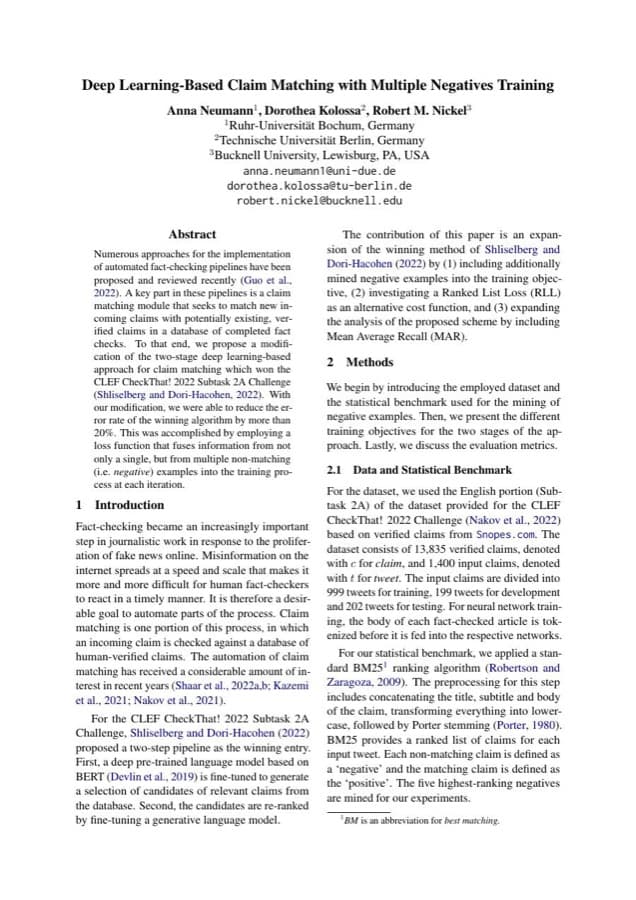
Deep Learning-Based Claim Matching with Multiple Negatives Training
Examining the Text-to-Image Community of Practice: Why and How do People Prompt Generative AIs?
Which Spurious Correlations Impact Reasoning in NLI Models? A Visual Interactive Diagnosis through Data-Constrained Counterfactuals
A Wearable Device for Continuous Respiratory Monitoring in the Wild
Built a wearable respiratory monitor for free-living conditions, integrating an oxygen sensor, a differential-pressure sensor, and a barometric sensor. Used a Venturi tube and the Bernoulli principle to estimate airflow, breathing volume, VO₂, and respiratory rate; validated against a BIOPAC respiration belt across controlled tasks varying breathing pattern, movement, and speech.